

Cyber Security in 2026: Why It Matters More Than Ever
A few years ago, cyber security sounded like something only IT companies, banks, or government offices had to worry about. But in 2026, that is no longer true. Almost everyone is connected to the internet in some way.
We use mobile phones for banking, shopping, studying, work, social media, cloud storage, and even health services. Because of this, our personal data is always moving online. Passwords, bank details, private photos, business files, and identity information can all become targets if we are not careful.
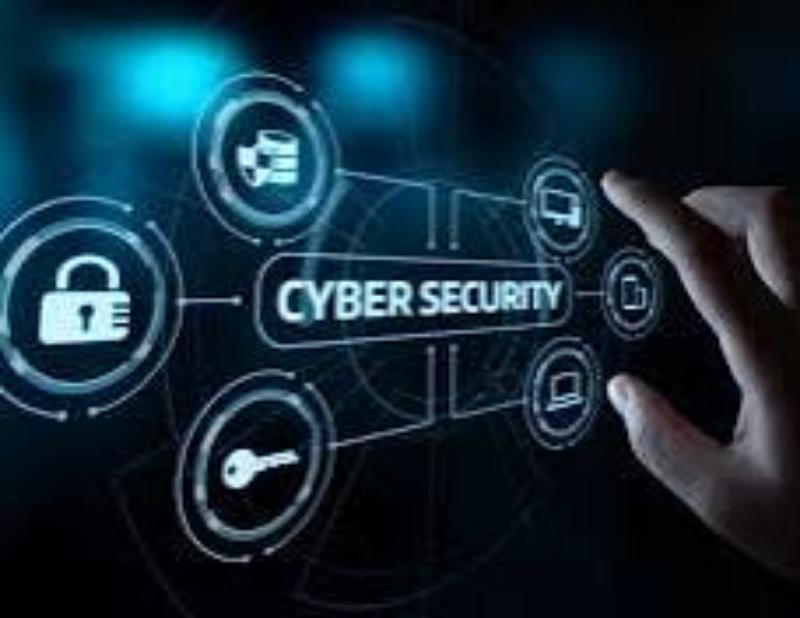
Cyber security simply means protecting our devices, websites, networks, servers, and online accounts from cyber attacks. It helps keep our digital life safe from hackers, malware, phishing scams, ransomware, and data theft.

What Is Cyber Security?
Cyber security is the practice of protecting digital systems from unauthorized access, damage, or stolen information.
It is used in many places, such as:
- Online banking
- Government websites
- Hospitals
- E-commerce stores
- Social media accounts
- Mobile apps
- Cloud storage
- Smart devices
Without cyber security, using the internet would feel unsafe. Even simple activities like logging into an account or making an online payment could become risky.
Why Cyber Security Is Important
As internet usage grows, cyber criminals are also becoming more advanced. A single cyber attack can steal personal information, damage a business, or stop important services from working.
For example, when you use online banking, cyber security protects your login details, secures your transaction, and helps detect suspicious activity. Without these protections, online banking would not be trusted by users.
Cyber security also helps businesses build trust. People are more likely to use a website or app when they feel their data is protected.
Common Cyber Attacks
One of the most common cyber attacks is phishing. In this type of attack, hackers send fake emails, SMS messages, or WhatsApp links that look real. They may pretend to be a bank, delivery company, job portal, or popular website to steal passwords or money.
Malware is another common threat. It is harmful software that can damage your device or steal information. Malware includes viruses, spyware, worms, and trojans.
Ransomware is even more dangerous. It locks files or systems and demands money to unlock them. Many businesses, hospitals, and organizations around the world have faced ransomware attacks.
Weak passwords are also a big problem. Many people still use passwords like 123456, password, or qwerty because they are easy to remember. But these passwords are also very easy for attackers to guess.
Cyber Security Technologies in 2026
Cyber security is becoming smarter in 2026. Artificial Intelligence is now used to detect unusual activity and stop attacks faster. Cloud security protects data stored online. Multi-factor authentication adds an extra layer of protection during login.
Biometric security is also becoming common. Fingerprint and face recognition are now used in phones, banking apps, offices, and many other systems.
Another important approach is Zero Trust security. It means no user or device is trusted automatically. Every access request must be checked and verified.
How to Stay Safe Online
You do not need to be a cyber security expert to stay safe online. Basic habits can protect you from many common threats.
Use strong and unique passwords for every account. Turn on two-factor authentication wherever possible. Do not click unknown links in emails, SMS, or WhatsApp messages. Keep your phone, computer, apps, and browser updated.
It is also a good idea to use trusted antivirus software and keep backups of important files. Backups can help you recover your data if your device is damaged or attacked.
A strong password should be long and hard to guess. Instead of using password123, you can use something like M@n0j#2026Secure!.
Cyber Security Careers in 2026
Cyber security is also becoming a strong career field. As cyber attacks increase, companies need skilled people to protect their systems.
Some popular cyber security jobs include:
- Ethical hacker
- Security analyst
- Penetration tester
- SOC analyst
- Cloud security engineer
- Digital forensics expert
This field is growing because every business, from a small website to a large company, needs protection.
Advantages of Cyber Security
Cyber security protects data, prevents financial loss, reduces business downtime, and builds user trust. For businesses, strong security also improves reputation because customers feel safer while using their services.
It also protects important systems like hospitals, banks, schools, government services, and online platforms.
Challenges of Cyber Security
Cyber security is important, but it is not always easy. Good security tools can be expensive. Hackers keep finding new methods to attack systems. Large companies need trained teams to monitor and protect their networks.
Human mistakes are also a major challenge. Many cyber attacks happen because someone clicks a fake link, downloads an unsafe file, or uses a weak password.
Future of Cyber Security
The future of cyber security will depend more on AI, automation, machine learning, and stronger encryption. In the coming years, we may see faster threat detection, better biometric security, quantum-safe encryption, and more automated protection systems.
As technology continues to grow, cyber security will become even more important. The more we depend on digital tools, the more we need to protect them.
Conclusion
Cyber security is not optional in 2026. It is necessary for students, employees, business owners, bloggers, and normal smartphone users.
Strong passwords, two-factor authentication, regular updates, and basic awareness can protect us from many online threats.
In simple words, cyber security protects our digital life. As the internet becomes part of everything we do, cyber security will continue to matter more than ever.
SOME EXTERNAL LINKS
CISA – Cybersecurity & Infrastructure Security Agency
Kaspersky Cyber Security Resource Center