Cloud Computing Trends Reshaping the Tech Industry in 2026
AI, edge computing, and hybrid cloud solutions are transforming how businesses operate
Cloud computing is no longer just a technology trend — it has become the backbone of modern digital business. In 2026, companies across the world are using cloud platforms not only for storage and computing power, but also for artificial intelligence, automation, cybersecurity, and real-time data processing.
From startups to global enterprises, organizations are investing heavily in smarter and more flexible cloud infrastructure. The focus has shifted from simply “moving to the cloud” to building intelligent systems that improve performance, reduce costs, strengthen security, and support future innovation.
According to experts from
Gartner,
cloud technologies will continue to dominate enterprise IT spending as businesses prioritize scalability, remote operations, and AI-powered services.
AI-Powered Cloud Platforms Are Growing Rapidly
Artificial intelligence is becoming one of the biggest drivers of cloud computing growth in 2026.
Major cloud providers like
Amazon Web Services (AWS),
Google Cloud,
and
Microsoft Azure
are investing billions into AI-ready infrastructure designed for machine learning and generative AI applications.
Businesses are now using AI-powered cloud services for:
- Smart customer support
- Data analytics
- Automated cybersecurity
- Predictive maintenance
- Workflow automation
- AI software development tools
Instead of manually managing complex cloud environments, companies can now automate monitoring, optimize workloads, and detect security threats in real time using intelligent cloud systems.
This shift is making cloud infrastructure faster, smarter, and far more efficient.
Hybrid Cloud and Multi-Cloud Strategies Are Becoming the Norm
Many organizations are no longer depending on a single cloud provider.
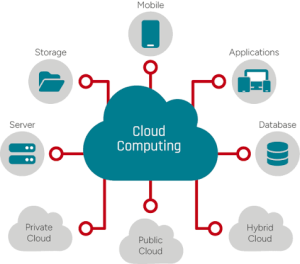
In 2026, hybrid cloud and multi-cloud strategies are becoming standard business practice. Companies are spreading workloads across public clouds, private servers, and edge infrastructure to improve flexibility and reduce operational risks.
For example, a business may use one cloud platform for AI processing, another for storage, and private infrastructure for sensitive customer data.
According to
Red Hat,
hybrid cloud solutions help organizations balance scalability, security, and compliance more effectively.
This approach also helps businesses avoid vendor lock-in while improving disaster recovery and system reliability.
Edge Computing Is Changing Real-Time Data Processing
Edge computing is another major cloud trend shaping the tech industry.
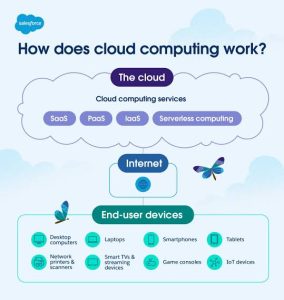
Traditional cloud systems send data to centralized servers for processing. Edge computing works differently by processing data closer to the source — such as connected devices, sensors, factories, or smart vehicles.
This reduces latency and allows systems to respond much faster.
Industries including healthcare, manufacturing, logistics, retail, and smart cities are rapidly adopting edge computing to support real-time operations and improve customer experiences.
Technology experts at
Cisco
believe edge infrastructure will continue expanding as billions of IoT devices generate massive amounts of data every day.
Sustainability Is Becoming a Core Focus in Cloud Infrastructure
As cloud usage and AI workloads continue to grow, data centers are consuming more energy than ever before.
Because of this, sustainability has become a major priority for technology companies in 2026.
Cloud providers are investing in:
- Renewable energy
- Energy-efficient cooling systems
- Sustainable data center designs
- Low-power AI hardware
- Smarter workload management
Companies want to reduce both operational costs and environmental impact while supporting large-scale digital operations.
According to
Google Sustainability,
modern cloud data centers can significantly improve energy efficiency compared to traditional enterprise infrastructure.
Green cloud computing is quickly becoming a competitive advantage rather than just an environmental initiative.
Cloud Security and Digital Sovereignty Are More Important Than Ever
Cybersecurity remains one of the biggest concerns in cloud computing.
As businesses store larger amounts of sensitive data online, companies and governments are demanding stronger security protections and greater control over data privacy.
This has increased the demand for sovereign cloud solutions, where data stays within specific countries or regions to comply with local regulations.
Modern cloud platforms are now using AI-driven security systems for:
- Threat detection
- Automated response
- Real-time monitoring
- Data encryption
- Identity management
Organizations are realizing that cloud security is not just an IT issue — it is a critical business requirement.
The Future of Cloud Computing
Cloud computing in 2026 is evolving into a complete digital ecosystem powered by AI, automation, edge technology, and sustainable infrastructure.
Businesses that adopt modern cloud strategies today will be better positioned to innovate, scale operations, improve customer experiences, and stay competitive in the future.
As digital transformation accelerates worldwide, cloud computing will continue to shape the future of technology across every major industry.

Frequently Asked Questions (FAQ)
What are the latest cloud computing trends in 2026?
Some of the biggest cloud computing trends in 2026 include AI-powered cloud platforms, hybrid cloud adoption, edge computing, cloud automation, sustainable data centers, and advanced cloud security solutions.
Why is AI important in cloud computing?
AI helps businesses automate cloud operations, improve cybersecurity, analyze large amounts of data, and optimize infrastructure performance. AI-powered cloud systems also reduce manual work and improve efficiency.
What is hybrid cloud computing?
Hybrid cloud computing combines public cloud services with private infrastructure. This allows businesses to balance flexibility, security, and cost efficiency while keeping sensitive data protected.
How does edge computing improve cloud performance?
Edge computing processes data closer to the source instead of sending it to distant cloud servers. This reduces latency and improves real-time performance for applications like IoT devices, smart cities, healthcare systems, and autonomous vehicles.
Why is cloud security becoming more important?
As more companies move sensitive business data online, cybersecurity risks continue to grow. Modern cloud security solutions help protect systems from cyberattacks, data breaches, and unauthorized access.
What is the future of cloud computing?
The future of cloud computing will focus heavily on AI integration, automation, edge infrastructure, sustainability, and smarter cybersecurity systems. Cloud platforms are expected to become more intelligent, scalable, and energy efficient in the coming years.