How Technology Is Making Daily Life Easier in 2026
Introduction
Technology is no longer something we use only at work or for entertainment. In 2026, it has become part of normal daily life. From waking up with a smart alarm to paying bills from a phone, ordering food, learning online, tracking health, and using AI tools for quick answers, technology is helping people save time and make better decisions.
The biggest change is that technology now feels more personal. It is not only about big computers or expensive devices. Many people use simple apps, mobile phones, smart gadgets, and online services every day without even thinking about it.
1. AI Is Helping People Work Faster
Artificial intelligence is one of the biggest reasons daily life is becoming easier in 2026. AI tools can help people write emails, summarize information, create content, translate languages, plan tasks, and answer questions quickly.
For students, AI can explain difficult topics in simple words. For business owners, it can help with marketing ideas, customer replies, and content planning. For website owners, AI can help draft blog posts, improve SEO, and create better headlines.
For example, a blogger can use AI to create a content outline, check grammar, and improve a headline before publishing. A student can use AI to understand a difficult science topic without waiting for a teacher or tutor.
You can read more about artificial intelligence from IBM’s guide to artificial intelligence.
2. Smartphones Are Becoming Everyday Control Centers
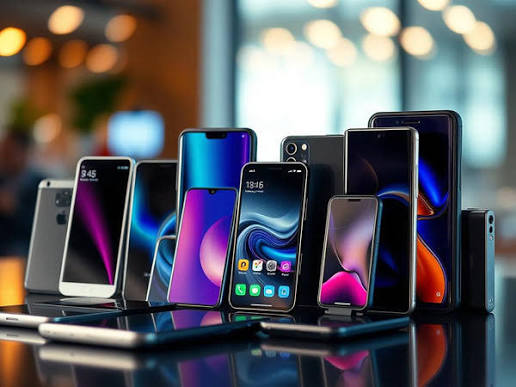
The smartphone has become more than a calling device. In 2026, people use phones for banking, shopping, maps, learning, entertainment, video calls, business, and security.
A person can now manage almost everything from one device. You can check your bank balance, publish a website post, attend an online class, book a doctor appointment, pay electricity bills, and talk to customers from your phone.
This is especially useful for people who do not have a laptop or desktop computer. A good smartphone with internet access can now handle many daily digital tasks.
For example, a small business owner can take product photos, upload them to social media, reply to customers, accept payments, and track deliveries using only a mobile phone.

3. Digital Payments Make Life Faster
Digital payments have made daily life easier by reducing the need to carry cash. People can pay for groceries, transport, food delivery, online services, and bills within seconds.
For small businesses, digital payments also make transactions easier to track. Customers can pay quickly, and sellers can keep records without writing everything manually.
This saves time and reduces mistakes. It also helps people shop online safely when they use trusted payment apps and secure websites.
For example, a worker can pay rent, recharge mobile data, send money to family, check salary credit, and pay electricity bills from home using a mobile banking app.
You can learn more about digital payments from The World Bank’s digital financial services page.

4. Smart Homes Save Time and Energy
Smart home devices are becoming more common. People now use smart lights, smart speakers, security cameras, robot vacuum cleaners, smart TVs, and connected appliances.
These devices help with simple tasks like switching lights on and off, checking who is at the door, setting reminders, controlling room temperature, and cleaning floors.
For example, someone can say, “Turn off the bedroom light,” or “Remind me to pay the electricity bill at 8 PM,” and the smart speaker will do it.
A family can also use a smart security camera to check visitors at the door, even when they are not at home.
5. Online Learning Is Easier Than Ever
Learning has become more flexible because of technology. People can now learn coding, digital marketing, design, cybersecurity, business, language skills, and many other topics online.
You do not always need to attend a physical classroom. Many courses are available through mobile apps, YouTube, learning platforms, and online communities.
This is helpful for students, workers, and business owners who want to improve their skills. A person can learn at night, during travel, or whenever they have free time.
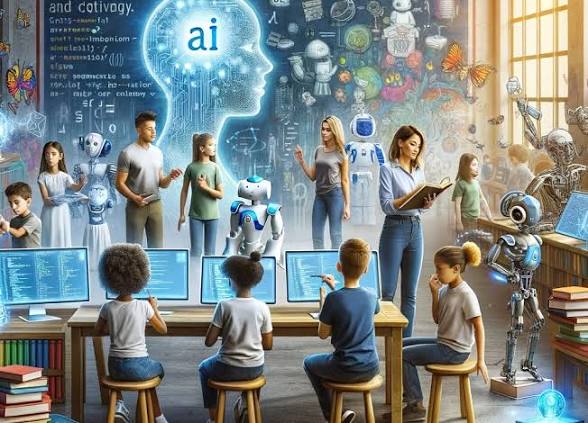
For example, a student preparing for exams can use online videos, practice apps, and AI tools to understand difficult topics. If the student does not understand photosynthesis, an AI tool can explain it step by step and even create a small quiz for revision.
You can explore online learning resources from Khan Academy.

6. Healthcare Is Becoming More Digital
Technology is also improving healthcare. Telehealth and virtual care allow patients to speak with doctors online, receive basic advice, and manage follow-ups without always visiting a hospital.
This is useful for people who live far from clinics or have busy schedules. It can also help patients with regular checkups, medicine reminders, and health tracking.
For example, someone with a mild fever or skin issue can book an online consultation, speak with a doctor through video call, and receive basic medical advice. This saves travel time and helps people get support faster.
You can read more about telehealth from the World Health Organization’s digital health page.
7. Travel and Navigation Are More Convenient
Maps, ride-hailing apps, travel booking platforms, and real-time traffic updates have made travel much easier. People can check routes, compare prices, book tickets, and find nearby places within minutes.
Technology also helps people avoid traffic, find fuel stations, locate restaurants, and reach new places without asking many people for directions.
For example, if someone visits a new city, they can use Google Maps to find the nearest bus stop, restaurant, ATM, hotel, or hospital within minutes.
For daily commuters, this saves both time and stress.
8. Online Shopping Saves Time
Online shopping has changed how people buy products. In 2026, people can compare prices, read reviews, check delivery times, and order products from home.
This is useful for buying electronics, clothes, groceries, books, and household items. Many platforms also provide return options, order tracking, and customer support.
For example, someone planning to buy a smartphone can compare features, check user reviews, watch review videos, and choose the best option without visiting many physical stores.
For busy people, online shopping removes the need to visit many shops before finding the right product.
9. Better Connectivity Helps More People Go Online
Mobile internet is one of the biggest reasons technology is reaching more people. Better connectivity means more people can access online education, digital payments, remote work, news, government services, and business tools.
When internet access improves, people get more opportunities to learn, earn, and communicate.
For example, a person living in a small town can use mobile internet to learn digital marketing, start a blog, apply for jobs, sell products online, or attend virtual classes.
You can read more about global mobile connectivity from GSMA’s mobile internet connectivity report.
10. Technology Helps Small Businesses Grow
Small businesses now use technology for marketing, customer service, payments, delivery, and online sales.
A local shop can create a website, post updates on social media, accept online payments, and reach customers outside its area. A blogger can publish articles, use SEO tools, and earn from ads or affiliate links.
For example, a local clothing seller can post new products on WhatsApp, accept digital payments, reply to customer questions, and arrange delivery without needing a physical office.
Technology has made it easier for small businesses to look professional without spending too much money.
Real-Life Examples of How Technology Helps in 2026
Example 1: A Student Using AI to Study
A student preparing for exams can use AI tools to explain difficult topics in simple words. Instead of reading a long chapter again and again, the student can ask for a short summary, examples, and practice questions.
For example, if a student does not understand a science topic, AI can explain it in simple language and help the student revise faster.
Example 2: A Small Business Owner Managing Everything From a Phone
A small business owner can manage orders, payments, customer messages, and social media posts from one smartphone.
For example, a small food seller can take orders through WhatsApp, receive payment online, and update customers about delivery time.
Example 3: A Family Using Smart Home Devices
Smart home devices can make daily routines easier for families. A smart speaker can set reminders, play music, answer quick questions, and control lights.
For example, a parent can set a reminder for school fees, medicine time, or grocery shopping using a smart assistant.
Example 4: A Patient Talking to a Doctor Online
Telehealth makes healthcare easier for people who cannot visit a clinic quickly.
For example, someone with a minor health concern can book a video consultation and receive advice without spending hours traveling or waiting.
Example 5: A Traveler Using Maps and Online Booking
Travel apps help people move around more easily. A traveler can check the fastest route, compare ticket prices, book a cab, and find nearby hotels or restaurants.
This is very helpful when visiting a new city or traveling alone.
Example 6: A Blogger Publishing Content From a Mobile Phone
Website owners and bloggers can now write, edit, and publish posts directly from a phone.
For example, a tech blogger can write a short article about a new phone launch, add an image, check SEO suggestions, and publish the post from the WordPress mobile app.
Example 7: A Worker Using Digital Payments and Banking Apps
Banking apps and payment apps help people avoid long queues.
For example, a worker can pay rent, recharge mobile data, send money to family, check salary credit, and pay bills from home using a mobile banking app.
Example 8: A Parent Using Online Learning for Children
Parents can use online learning apps to help children study at home.
For example, if a child struggles with maths, the parent can play an educational video, open a practice app, or use an online quiz to help the child understand the topic better.
Challenges Still Exist
Technology is useful, but it also has some risks. People need to be careful about scams, fake messages, weak passwords, privacy issues, and too much screen time.
Users should avoid clicking unknown links, use strong passwords, update apps regularly, and only download apps from trusted sources.
Technology makes life easier, but people still need to use it wisely.
Conclusion
In 2026, technology is making daily life easier in many ways. It helps people work faster, learn new skills, manage money, improve health access, shop online, travel smarter, and grow businesses.
The best part is that many of these tools are available on a simple smartphone. As technology continues to improve, daily life will become even more connected, faster, and more convenient.
But the smart way forward is balance. We should use technology to save time, improve our lives, and stay informed while also protecting our privacy and security.
FAQs
How is technology helping daily life in 2026?
Technology helps people save time through AI tools, digital payments, online shopping, smart homes, telehealth, mobile apps, and better internet access.
Is AI useful for everyday people?
Yes. AI can help with writing, learning, planning, translation, customer support, research, and simple daily tasks.
Can technology help small businesses?
Yes. Small businesses can use websites, social media, SEO, digital payments, and online ads to reach more customers.
What is the biggest benefit of technology in daily life?
The biggest benefit is convenience. People can do many tasks faster and easier from their phone or computer.
What should users be careful about?
Users should be careful about online scams, fake links, weak passwords, privacy issues, and untrusted apps.